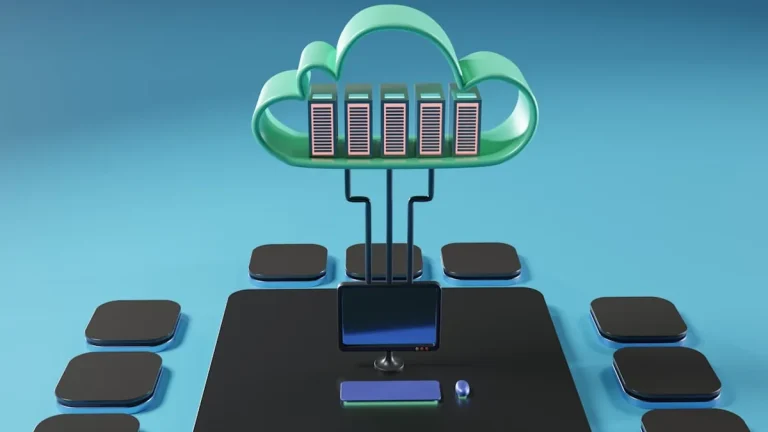
What Is API
What Is API – In the digital world, the term API, which stands for Application Programming Interface, is a fundamental concept that facilitates communication between different software applications. APIs enable developers to leverage existing functionalities, allowing for more efficient and innovative software development.
What Is Happening
APIs are increasingly becoming central to software development and integration in today’s technology landscape. They allow different systems and applications to interact with each other seamlessly, enabling the exchange of data and functionalities. As businesses and developers look for ways to enhance their services and applications, the demand for APIs has surged. This trend is evident across various industries, from e-commerce to healthcare, as organizations strive to create more interconnected systems that can respond to user needs in real-time.
Why This Happens
The rise of APIs can be attributed to several factors. First and foremost, the explosion of mobile and web applications has created a need for different software systems to communicate with one another. As users demand more integrated experiences, APIs offer a solution by allowing developers to connect to third-party services, databases, and platforms without having to build everything from scratch. Additionally, the shift towards cloud computing has made it easier for companies to expose their services through APIs, promoting a culture of collaboration and innovation. Security and standardization improvements have also contributed to the growth of APIs, making them more reliable and easier to implement.
Who Is Affected
The impact of APIs is widespread, affecting various stakeholders within the technology ecosystem. Developers benefit greatly from APIs as they can save time and resources by using pre-built functionalities instead of reinventing the wheel. This allows them to focus on creating unique features that enhance user experience. Businesses also see significant advantages; by integrating with external services via APIs, they can expand their offerings, improve customer engagement, and streamline operations. End users ultimately reap the benefits of APIs through better applications and services that are more responsive to their needs. However, there are also challenges associated with APIs, such as dependency on third-party services and potential security vulnerabilities that can arise from improper implementation.
What You Can Do
- Familiarize yourself with API documentation to understand how to integrate them into your applications effectively.
- Consider implementing security best practices when developing or utilizing APIs to protect sensitive data and maintain user trust.
FAQ
What are the different types of APIs? There are several types of APIs, including web APIs, operating system APIs, library APIs, and hardware APIs. Each type serves different purposes and facilitates communication between various components of software systems.