New Android Update Is Triggering Heating Issues
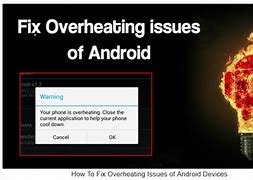
New Android Update Is Triggering Heating Issues – Recently, users of various Android devices have reported significant heating problems following the latest system update. This unexpected issue has raised concerns among users and prompted discussions about the potential implications for device performance and longevity.
What Is Happening
Since the rollout of the latest Android update, many users have experienced their devices becoming unusually hot during regular usage. This overheating occurs during activities that typically do not strain device performance, such as browsing the web or using social media applications. Some users have reported that their phones become uncomfortable to hold, and in extreme cases, the devices have shut down automatically to prevent damage from overheating. The issue appears to affect a wide range of Android devices, regardless of the manufacturer, leading to widespread concern among users and tech enthusiasts alike.
Why This Happens
There are several potential causes for the heating issues linked to the new Android update. One primary factor is the introduction of new features or enhancements that may demand more processing power than previous versions. These updates can lead to increased CPU and GPU usage, which generates more heat. Additionally, bugs within the software can cause processes to run in the background continuously, further straining the device’s resources and resulting in overheating. The update may also interfere with existing applications, causing them to malfunction or operate inefficiently, which could exacerbate the issue. Furthermore, compatibility problems with older devices may also contribute to the heating problems, as these devices may not be optimized for the new version of the operating system.
Who Is Affected
The heating issues are impacting a diverse range of users across different demographics. Individuals using older devices may find themselves particularly affected, as their hardware may not be equipped to handle the demands of the latest software updates. However, even users with newer models are experiencing problems, indicating that the issue is not limited to a specific device category. This widespread nature of the problem has led to frustration among users who rely on their devices for daily tasks, from communication to productivity. The potential for long-term damage to devices due to overheating is also a valid concern for many, prompting users to seek immediate solutions.
What You Can Do
- First, consider reverting to the previous version of the operating system, if possible. Some manufacturers allow users to downgrade to a more stable release until a fix is implemented.
- Monitor your device usage and limit resource-intensive applications. Close apps running in the background that may contribute to overheating, and avoid using your device while charging to minimize heat generation.
FAQ
What should I do if my device overheats? If your device becomes excessively hot, stop using it immediately and let it cool down. Avoid charging it until it reaches a safe temperature.
Will this issue be fixed in future updates? While it is uncertain, manufacturers typically respond to widespread issues with subsequent updates that aim to address bugs and improve performance.
Is my device at risk of permanent damage? Prolonged overheating can lead to hardware damage, but occasional overheating is generally manageable. It is advisable to monitor your device and take precautionary measures.