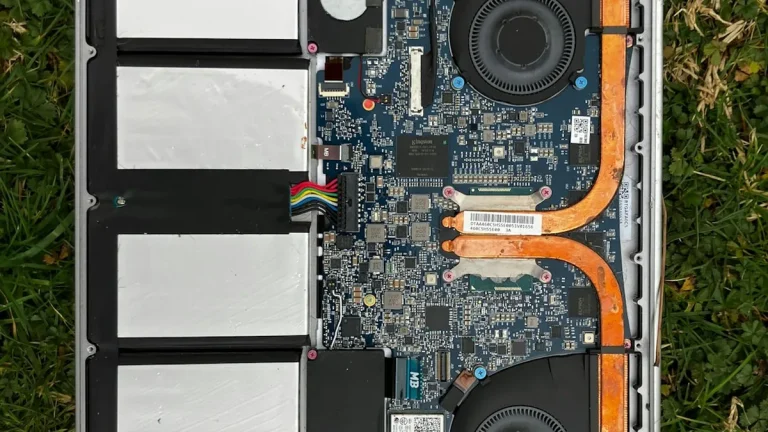
How to Fix Disk Usage 100 Percent
How to Fix Disk Usage 100 Percent – If your computer is running slowly or freezing, and the task manager shows that disk usage is at 100 percent, it can be frustrating. This issue can significantly impact your productivity and overall computing experience. Fortunately, there are several steps you can take to resolve this problem and restore your system’s performance.
What Is Happening
When your disk usage reaches 100 percent, it means that your hard drive is working at its maximum capacity, unable to process any additional requests efficiently. This situation often leads to sluggish performance, system freezes, and longer loading times for applications and files. It can be caused by various factors, including software issues, insufficient hardware resources, or even malware infections. Identifying the root cause is essential to implementing the right fix.
Why This Happens
There are several reasons why disk usage may spike to 100 percent. Some common causes include:
- Background Applications: Certain applications, especially those that run in the background, can consume a significant amount of disk resources. Examples include antivirus scans, Windows updates, and file indexing services.
- Fragmented Hard Drive: Over time, files on traditional hard drives can become fragmented, meaning they are not stored in contiguous spaces. This fragmentation can lead to increased disk activity as the system struggles to access these scattered files.
- Corrupted System Files: Corrupted files can disrupt normal operations and lead to excessive disk activity as the operating system attempts to access or repair damaged data.
- Malware Infection: Malware can significantly impact system performance, often leading to high disk usage as malicious software performs tasks in the background.
- Virtual Memory Settings: If your system runs out of physical memory (RAM), it may use the hard drive as virtual memory. This can lead to high disk usage, especially if the system is frequently paging data between RAM and the hard drive.
Who Is Affected
High disk usage can affect anyone using a computer, whether for personal or professional purposes. Students may find it challenging to complete assignments, while professionals may struggle to meet deadlines due to slow performance. Additionally, gamers may experience lag and delays, ruining their gaming experience. In essence, anyone relying on a computer for tasks can be adversely affected by this issue, leading to increased frustration and decreased productivity.
What You Can Do
- Check for Background Processes: Open the Task Manager (Ctrl + Shift + Esc) to identify which processes are consuming the most disk resources. You can end unnecessary tasks or applications that are not critical to your work.
- Disable Windows Search and Superfetch: These services can contribute to high disk usage. You can disable them by typing “services.msc” in the Run dialog (Win + R) and locating the Windows Search and Superfetch services. Right-click and select “Stop,” and set the startup type to Disabled.
- Run Disk Cleanup: Use the built-in Disk Cleanup tool to remove temporary files and system cache that may be taking up valuable disk space. This can help reduce disk activity.
- Defragment the Hard Drive: If you are using a traditional hard disk drive (HDD), consider defragmenting it. Type “defrag” in the Start menu to access the defragmentation tool, which can help improve disk performance.
- Scan for Malware: Run a full system scan using your antivirus software to detect and remove any malware that may be affecting system performance.
- Upgrade Hardware: If high disk usage persists despite troubleshooting, consider upgrading your hardware. Moving from an HDD to a solid-state drive (SSD) can significantly improve performance and reduce disk usage.
FAQ
What should I do if my disk usage is still high after trying these steps? If the issue persists, it may be beneficial to consult a professional technician who can diagnose hardware issues or consider a system reset or reinstalling your operating system as a last resort.