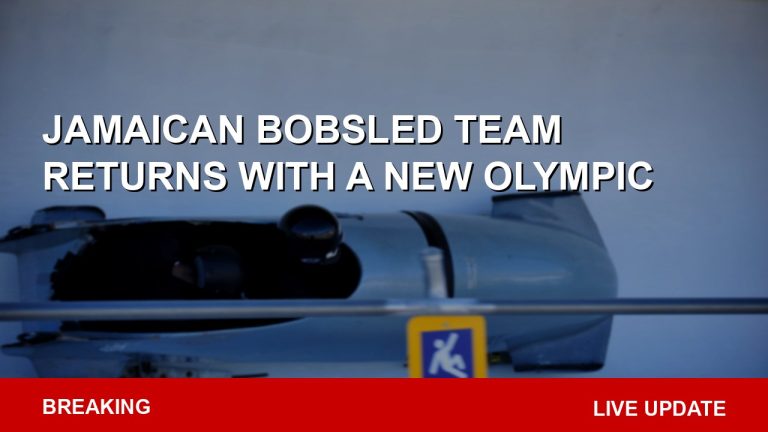
Bobsled crash sends athlete to hospital, event paused for safety
A “bobsled crash” is suddenly spiking in Google searches in the United States. But as of now, the reason for the surge isn’t clear from the available information.
### Why it’s trending today
All we know is that **“bobsled crash” is trending on Google Trends (US)** via the Google Trends RSS feed. There’s **no additional context provided** here—no named event, no confirmed location, no athlete identification, and no verified timing tied to a specific competition or incident.
Because of that, it’s important not to assume this trend is linked to a particular crash, a viral clip, or breaking news. Multiple situations could drive a search spike (for example, a recent sports event, an older incident resurfacing online, or a new video circulating), but **those are possibilities—not confirmed facts** based on the information provided.
### Why Americans should care
Even without confirmed details, a sudden search spike around a crash-related term can matter for a few practical reasons:
Bobsled is a high-speed sport, and when a crash is involved, people often search quickly to understand **who was affected, how serious it was, and whether it changes upcoming events**. If this trend is connected to a current competition or athlete news, it could influence schedules, coverage, and public attention in real time.
It also highlights how fast **unverified clips and partial information** can spread. When something starts trending without clear context, misinformation can fill the gap—especially if short videos circulate without dates, locations, or attribution.
For families, coaches, and athletes across winter sports, any widely discussed crash can also prompt broader questions about **safety standards, track conditions, and protocols after an incident**—even if the specific trigger turns out to be unrelated to a current event.
### What to watch next
– **Look for an official confirmation** of what incident (if any) is driving the spike: who, where, and when.
– **Check whether a major sports broadcast or event recap** recently aired footage that could be prompting searches.
– **Be cautious with viral clips** unless they include verifiable details (date, track, competition).
– **Watch for updates from event organizers** if the trend turns out to involve an active competition.
– **Monitor corrections and clarifications** if early online posts misidentify athletes or locations.
If more concrete details emerge, this trend will likely shift from a generic search spike to a specific, verifiable story—so the next few hours of reporting and official updates will matter most.