Why Is My Internet So Slow at Night
Why Is My Internet So Slow at Night
If you’ve ever noticed that your internet connection slows down at night, you’re not alone. Many people experience this issue. Understanding the reasons behind this can help you find solutions.
Common Reasons for Slow Internet at Night
There are several reasons why your internet might be slower in the evening. Here are some of the most common factors:
- Increased User Activity: Many people use the internet after work or school. This peak time leads to more users sharing the same bandwidth, which can slow down your connection.
- Network Congestion: Internet service providers (ISPs) can experience congestion during busy hours. This means that the available bandwidth is divided among many users, causing slow speeds.
- Streaming Services: In the evenings, more people stream videos or play online games. These activities use a lot of data, which can reduce the speed for everyone on the network.
- Wi-Fi Interference: Your Wi-Fi signal can weaken at night due to interference from other devices or networks. This can occur if many neighbors are using their Wi-Fi at the same time.
- Background Applications: Some devices run updates or download files at night. This background activity can consume bandwidth and slow down your internet speed.
How to Improve Your Internet Speed at Night
If you find that your internet is slow at night, there are several steps you can take to improve your connection:
- Limit Device Usage: Try to limit the number of devices connected to your network during peak hours. Fewer devices can mean better speeds.
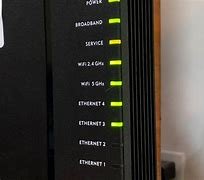
- Use Ethernet: Connecting your device directly to the router with an Ethernet cable can provide a more stable and faster connection than Wi-Fi.
- Upgrade Your Plan: If slow speeds are a regular issue, consider upgrading to a higher bandwidth plan with your ISP. This can help accommodate more users and devices.
- Change Wi-Fi Channels: If you are using Wi-Fi, changing the channel on your router can reduce interference from nearby networks.
- Schedule Downloads: Set downloads and updates to run during off-peak hours. This can free up bandwidth when you need it most.
When to Contact Your ISP
If you’ve tried these tips and your internet is still slow at night, it might be time to contact your Internet Service Provider. They can check for issues on their end or suggest other solutions.
Sometimes, your ISP might be doing maintenance or upgrades that can temporarily affect your speeds. They can provide you with information about any ongoing issues in your area.
Conclusion
Experiencing slow internet at night is a common problem caused by many factors. Increased user activity, network congestion, and interference can all play a role. However, there are steps you can take to improve your internet speed. If the problem continues, don’t hesitate to reach out to your ISP for assistance. With a little effort, you can enjoy a faster and more reliable internet connection, even during peak hours.